Featured
Table of Contents
The 2026 Requirement for scaling D2C brand from 4.5M to 20M
The digital environment in 2026 has shifted from simple online presence to an extensive demand for measurable returns. Organizations no longer see a website as a static sales brochure however as a high-capacity engine for growth. This shift requires a departure from standard creative approaches towards an approach rooted in data and user psychology. By examining how users interact with particular interfaces, firms can recognize friction points that prevent conversions. The existing year has actually seen a considerable rise in the importance of technical accuracy, where every millisecond of load time and every pixel of layout straight impacts the bottom line.
NEWMEDIA has developed a reputation for navigating these complexities by prioritizing proof over intuition. Steve Morris, the firm's CEO, often emphasizes that the marital relationship of data and style is the only method to remain competitive in a saturated market. Whether the focus is on eCommerce marketing or more specialized efforts, the objective stays the same: drawing out optimal value from every visitor. This point of view has become vital as organizations deal with increasing expenses for customer acquisition throughout all major channels.
Data Integration and the Role of D2C
Success within D2C now depends on the ability to translate large quantities of consumer information. In 2026, the most effective brands are those that use behavioral analytics to notify their marketing invest. Instead of blanket ad campaign, companies are opting for hyper-targeted techniques that speak with the specific requirements of their audience. This level of personalization is enabled through innovative tracking and attribution models that show exactly which touchpoints cause a sale. Concentrating on Revenue Milestones supplies business with an unique benefit in this data-heavy environment.
The combination of ecommerce systems with real-time stock and client relationship management tools enables a more responsive company model. For example, when a primary digital channel is synced with back-end operations, the user experience ends up being a lot more fluid. Consumers receive precise info concerning accessibility and shipping, which constructs trust and motivates repeat service. This functional efficiency is a hallmark of modern portfolio excellence, showing that digital improvement is as much about internal procedures as it has to do with public-facing design.
Artificial Intelligence and Search Evolution
The search engine optimization world has gone through an extreme shift with the rise of AI-driven discovery. In 2026, conventional keyword rankings are only one part of a bigger visibility puzzle. Answer Engine Optimization (AEO) and Generative Engine Optimization (GEO) have become the main methods for capturing the attention of users who rely on AI assistants for info. These systems do not just provide a list of links; they synthesize details and offer direct answers, typically pointing out the most authoritative sources. Major Revenue Milestones Analysis is now a basic requirement for brands looking for long-term stability in these AI-generated results.
RankOS, a specialized platform for AI search visibility, has actually become a crucial tool for companies looking to monitor their presence in these new environments. By tracking how frequently a brand name is mentioned in AI responses and the belief related to those points out, services can change their content method in real-time. This proactive method makes sure that the brand name stays a top-of-mind choice for both humans and the algorithms that serve them. Steve Morris has noted in several 2026 interviews that businesses overlooking AEO are basically delivering their market share to more forward-thinking rivals.
Strategic Execution of eCommerce marketing
Execution in 2026 requires a multi-channel frame of mind where SEO, PAY PER CLICK, and social networks marketing operate in unison. When a user sees a targeted ad on social networks, they might later on look for the brand on a search engine or ask an AI assistant for a suggestion. If the messaging is irregular throughout these platforms, the conversion course breaks. Maintaining a cohesive voice and visual identity is critical for strengthening brand authority. This is particularly true for specialized project types where the target market might have very particular technical requirements or pain points.
Making use of case-study helps bridge the space between initial awareness and final purchase. Top quality paperwork, video presentations, and interactive tools provide the worth that 2026 customers anticipate before they devote to a deal. Marketing is no longer about yelling the loudest; it is about being the most helpful resource in the room. This shift towards utility-based marketing has actually proven to be among the most efficient methods to drive ROI, as it naturally attracts certified leads who are currently searching for a service.
Quantifiable Results in D2C
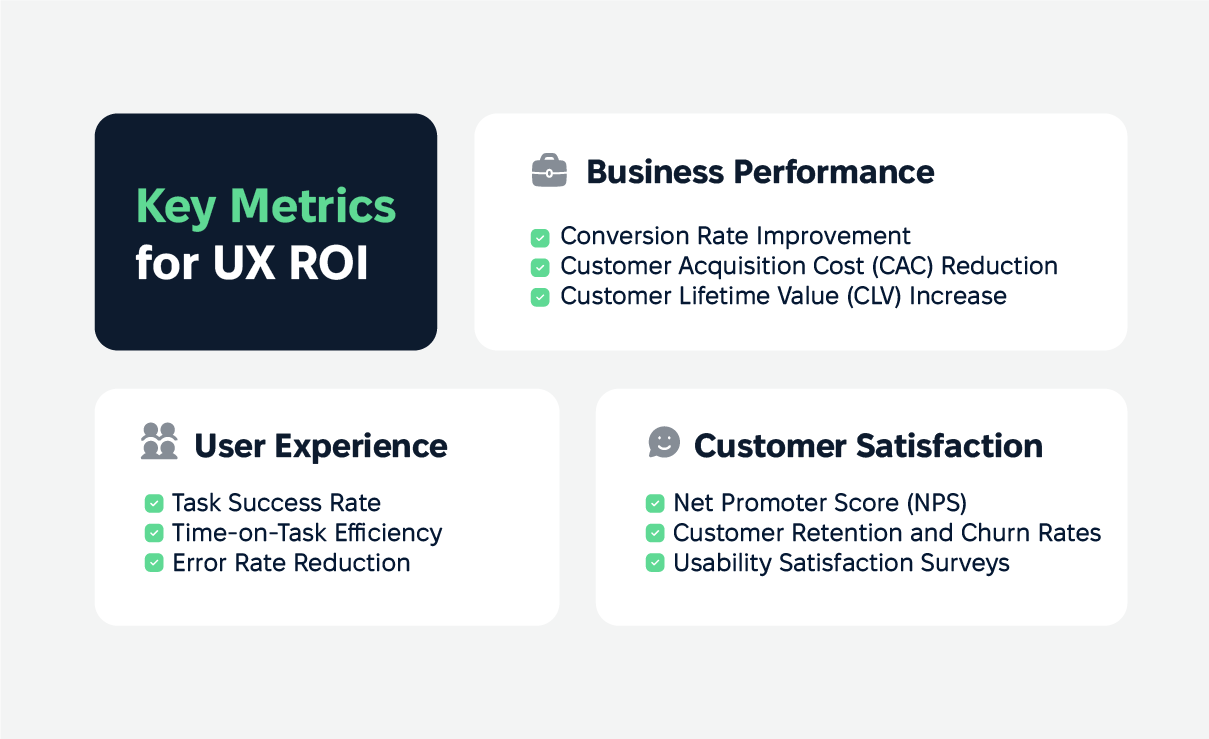
Measuring the success of a digital change job involves looking beyond vanity metrics like page views or social media likes. In 2026, the focus has actually moved to deep-funnel metrics such as customer life time worth, cost per acquisition, and net earnings margin. By taking a look at the specific project outcomes, it becomes clear that the most successful initiatives are those with a clear tie to financial performance. A site redesign is only thought about effective if it leads to a statistically considerable boost in conversion rates or average order worth.
For companies running in competitive areas, the capability to pivot based on efficiency data is a substantial differentiator. Agencies that supply transparent reporting and real-time control panels allow their clients to see the direct impact of their financial investment. This level of accountability is what specifies excellence in the contemporary agency-client relationship. It makes sure that every dollar spent on marketing or advancement is working towards a specific, predefined business objective. This focus on results instead of outputs is the defining characteristic of the 2026 digital economy.
Future-Proofing for 2026 and Beyond
The pace of change in the technology sector shows no signs of slowing down. To stay appropriate, brand names should embrace a culture of constant enhancement. This implies frequently auditing digital properties, evaluating new technologies, and remaining notified about changes in consumer habits. The role of the digital company has developed from a simple company to a long-term strategic partner that helps navigate these ongoing shifts. By concentrating on the principles of excellent style, technical quality, and data-driven marketing, businesses can develop a foundation that withstands the volatility of the market.
As we look much deeper into 2026, the winners will be those who see digital improvement as an ongoing process instead of a one-time event. The dedication to excellence shown in high-performing portfolios works as a plan for others to follow. By prioritizing the user, embracing new search innovations like GEO, and firmly insisting on strenuous information analysis, companies can attain the type of growth that is both considerable and sustainable. The era of digital improvement has moved into its most advanced phase yet, where accuracy and performance are the only metrics that really matter.

Latest Posts
Why Headless Architecture Is Controling the 2026 Digital Landscape
How Spatial UI Is Changing High in 2026
The 2026 Shift: Why Native Apps Are No Longer Essential